


Best Surf Booties for Surfers in Stingray Country
DragonSkin stingray-resistant booties are made for surfers who shuffle and wade their way through stingray-heavy shallows, like SoCal’s sandy beach breaks. As the first bootie purpose-built to help protect you from stingrays, Achilles Heels are 85% covered with stingray resistant materials to help protect you from stingrays. And as someone looking to surf as much as stay protected, these flexible, grippy booties will keep you on your board, too.
Why Surfing Puts You at Risk of Stingray Stings
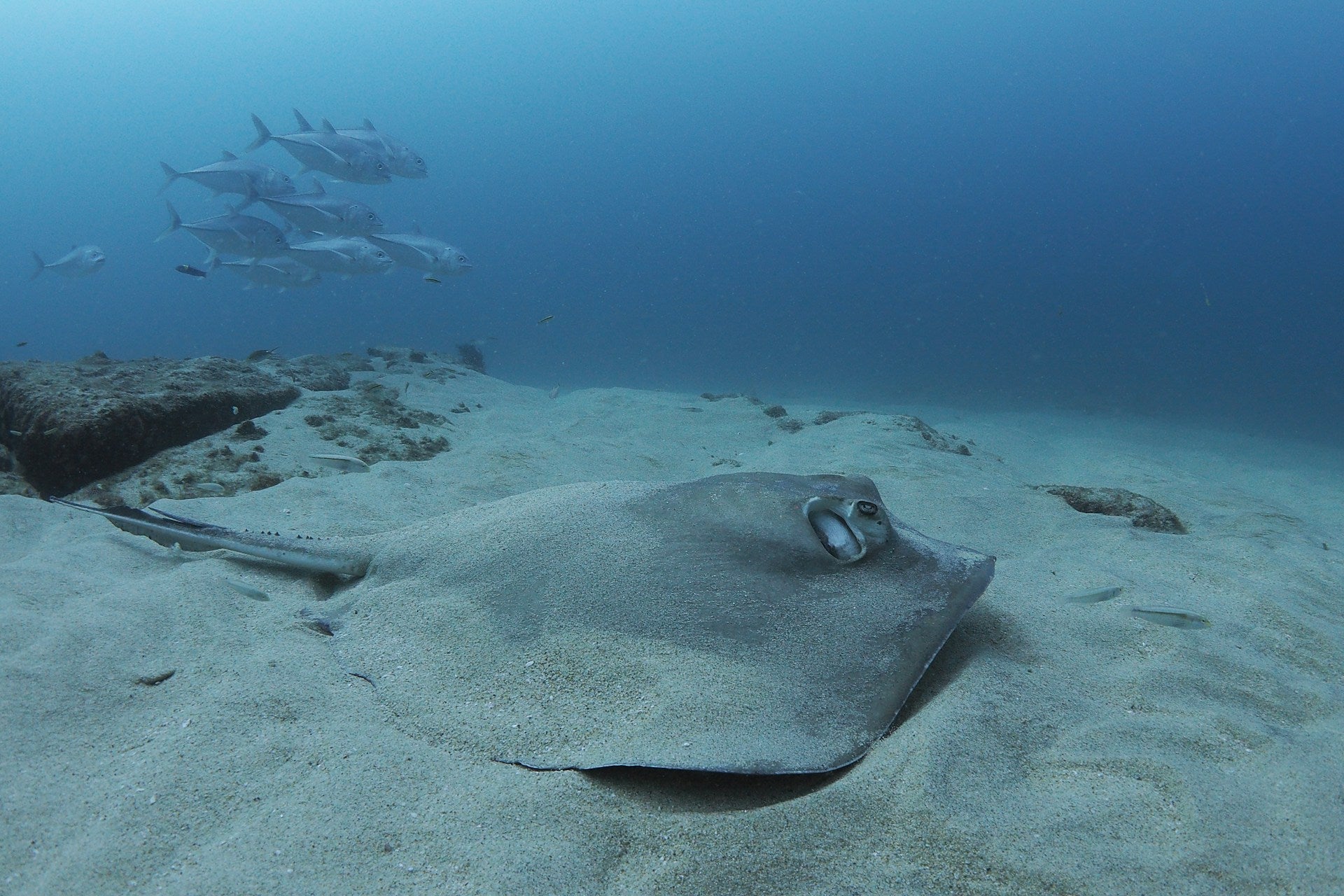
Most stingray stings don’t happen out in the lineup. They happen in the few feet of shallow water between the sand and where you actually start paddling. Any surfer knows as much as we do that you cross that zone more often than anyone else on the beach.
Think about how many times your feet hit the bottom in a session. You walk out through the shorebreak with your board, you stand waist-deep waiting for a set to pass, you hop off at the end of a ride and land feet first in the sand. Every one of those moments is a chance to step on a ray and get stung.
The standard advice all of us SoCal surfers are taught is to do the stingray shuffle, dragging our feet along the sand so instead of stepping directly on a stingray, the disruption forces them to scurry off.
But we’ll ask you this. If you could have that extra protection for when you jump off your board, possibly wipeout, or forget to shuffle, isn’t that worth it?
The risk of stingray stings is growing. Bolsa Chica State Beach and Huntington State Beach reported double the number of recorded stings from 2025 as of August 2026. That number has exceeded 3,100 incidents.
Do Regular Surf Booties Protect Against Stingrays?
It’s not common for regular booties to protect against stingrays. Standard surf booties, reef booties, wetsuit socks, and water shoes offer warmth, grip, and protection from rocks and reef. When we tested in our stingray sting lab simulation, traditional booties provided little to no protection against stingray stings.
With most surfers in stingray country either rocking it barefoot or with traditional booties, we wanted to provide an option for protection and safety that would help stop that sharp, serrated barb. We estimate 85% coverage with stingray-resistant materials with DragonSkin Achilles Heels to combat the less effective traditional booties.

How DragonSkin Surf Boots Help Protect Surfers
DragonSkin® Achilles Heels are designed for comfort and mobility, perfect for surfing, swimming, paddleboarding, and more!
- 85% covered with stingray-resistant material
- Flexible, responsive, and great grip
- Dual-layered stingray resistant design (outer and inner layer)
- 2mm neoprene plus thermoplastic protective material each layer
- Tested against real stingrays
- Sizes for men and women, plus 5 kid sizes
Surfing Booties Built for All Surfers
Let customers speak for us
These booties are amazing and give me so much confidence getting in the ocean. I have been stung by stingrays twice, and that is enough for me! My little one loves to surf, so I’m on my feet pushing him into to waves often. Wearing my Dragonskin boots is the protection I need to spend hours in the water. They are very comfortable and durable. I also wear them to surf and SUP surf, and the grip is great. The protection and quality is there without a bulky feel. The team at Dragonskin has been so kind and responsive when I have reached out with questions. I highly recommend this product and company!

We sometimes have stingrays in front of our house. This evening, I walked out in the water with confidence wearing my old v1.0 while carrying my 5-year old son. I haven't gotten stung wearing them, but it will happen sooner or later. I recently got v2.0 for my wife. I will get them for my kids as well.
Love the new booties! I feel so safe in the water even when I see the sting rays
I absolutely love these booties, and all the research, testing, and product improvements this team is doing. I moved to San Diego recently, all excited for being close to beaches, and then I found out about the stingray situation. I honestly would not have gone in the water at all if it weren’t for these booties, it’s amazing to have the extra protection and peace of mind. I’ve worn them many times and they’re holding up great!
Customer service was super responsive when I made a mistake with my order, shipping me new booties right away. I loved the personal touches with the shipments (I got a note, a real stingray barb, and a drawstring bag). The booties are super comfortable and I really like how they look, I feel stylish!
I recommend these booties to all of my friends, they are probably tired of hearing about how much I love them and how I think everyone should own them if they live where stingrays are common.
I like the newest version much better - more durable sole yet still comfortable. I ordered the same size as the older version and it was too small. The newer version is not as flexible/stretchy so I sized up. Makes it much easier to put on but it’s not too long.
New size is working great. Thank you ver much for the awesome product and customer support!
So far so good! Booties are comfortable and sizing is good. The stingray population is double(south Cali, Huntington Beach) so definitely taking every precaution. I will not do my ocean therapy without these boots..
Great customer service Fantastic product
Second pair of booties from Dragonskin. Got two years out of my last pair. Love the new pair. Won’t enter the water in HB without them. Have had no issues since wearing them.
I love my booties..easy to put on..perfect fit. They give me confidence to stride into the water like I used to pre-stingrays. Because I body surf I am still working out fins. Might be nice if dragonskin provided names and sizes of fins that fit large, X-Large, etc..
I am really happy with the new more durable sole. And I am much more comfortable walking out in the surf without worrying as much about sting rays
Great product with excellent customer support. I recommend highly! The booties fit me perfectly, size 7.5 women’s shoe size is a match! They are very comfortable in and out of the water while walking in the sand. The latest version features a heavy duty sole that should withstand walking across sand and rocks before reaching the beach. I purchased an older version which was OK but the latest version is definitely better designed. This company aims to please their customers while protecting our feet from anything sharp on the ocean floor including stingrays.
I am very happy with my new boots and the quality and durability of the new design! I must give a special shout out to Krystal who has been awesome!
Awesome communication and team. Ive been recommending them to my friends out in Huntington Beach
great follow up, R and D, customer service
Surfing Shoes FAQs
Do regular surf booties protect against stingrays?
Not usually, as standard booties, reef booties, and wetsuit socks are built for warmth and grip, not puncture resistance. In our DragonSkin lab simulations, traditional booties were found to provide little to no protection against stingray stings.
Can a stingray barb go through a wetsuit or neoprene bootie?
Yes, neoprene is soft foam, and a stingray barb is sharp and serrated. Surfers have said that barbs have gone right through the material of regular booties.
How much protection do DragonSkin booties give?
DragonSkin Achilles Heels are 85% covered with stingray resistant materials to help protect you from stingrays. Coverage on any individual foot can’t be guaranteed, and our booties were tested against Round Stingrays, the most common source of Southern California’s sting injuries.
Will stingray booties affect my board feel or grip?
DragonSkin Achilles Heels are designed to be flexible, responsive, and grippy, and feedback has been that surfers can wear them comfortably without losing control of their board.
When and where are surfers most likely to get stung?
Most stings occur in shallow water at sandy beach breaks because stingrays congregate there to hunt and reproduce. The sand provides cover as they burrow under which is why the stingray shuffle can be effective. Round stingrays tend to move toward shore when the swell is down and the water is warm, so summer and early fall are peak seasons.

Hey Surfers, Shop Our Stingray-Resistant Booties!