



DragonSkin® Tortuga - Beach Armor Water Shoe
+

FREE SHIPPING
-
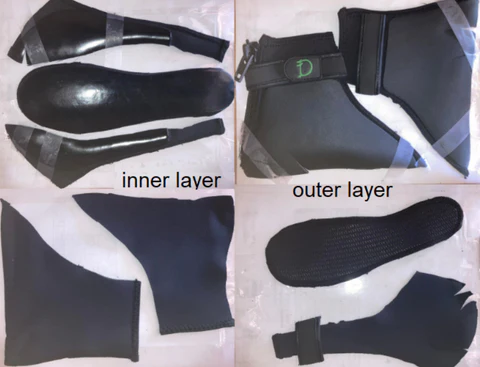
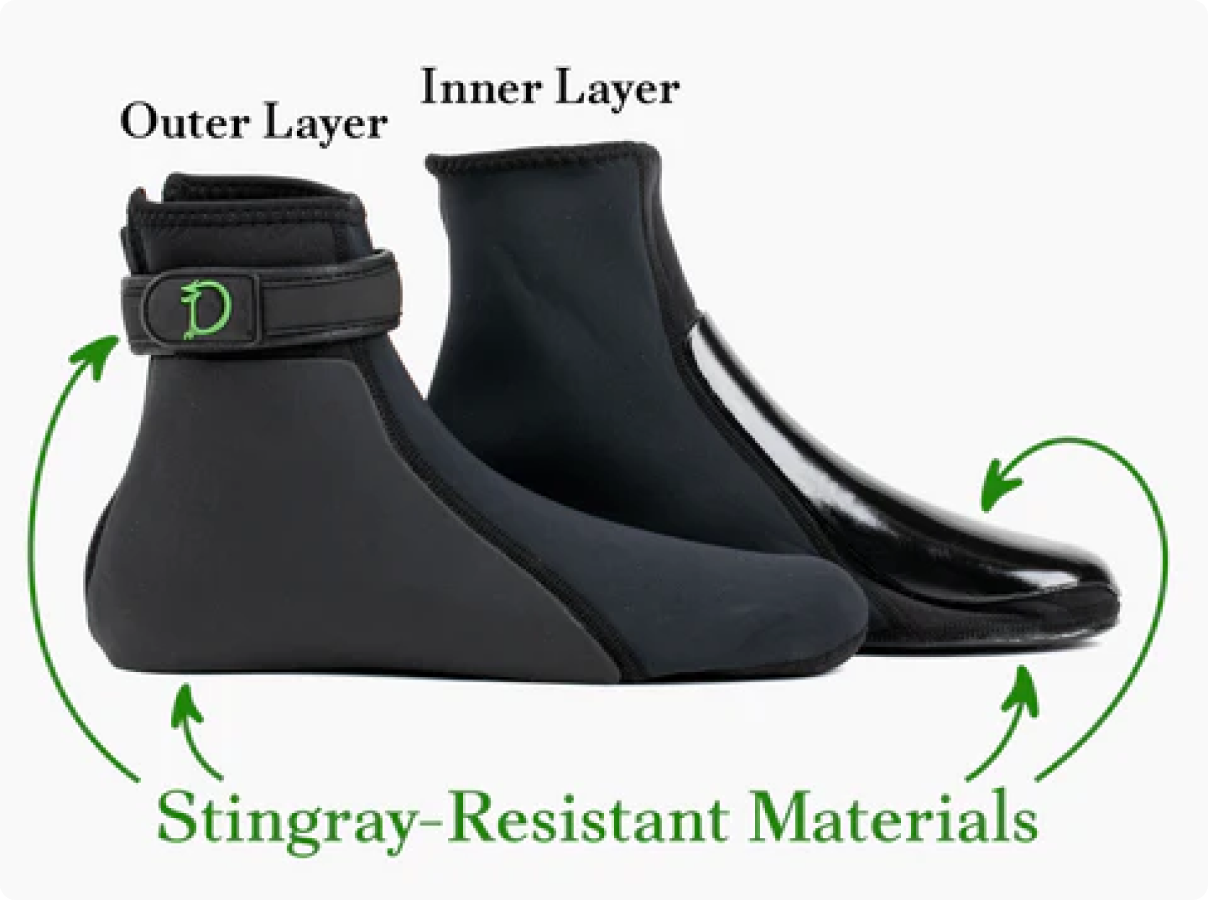
Stingray Defense Up to the Ankle: estimated ~94% coverage with stingray-resistant materials (thermoplastic protective layer & extra tough sole)
-
Embedded Steel Mesh in Sole: helps protect against stingrays, sea urchins, rocks, shells, oyster beds, coral, fish hooks, and more!
- Simple, Durable, and Protective: Not quite as flexible and lightweight as our Achilles Heels surf model, but increased protection from stingrays and other underwater hazards
- Perfect for Tromping Around in the Shallows, for casual beachgoers, surf instructors, kiteboarding instructors, and more!
- Easy On/Off via pull loop on ankle, and dual velcro strap covering ankle and insole
-
Cushy 4 mm Neoprene Interior for comfort and warmth in water


If the fit isn't right, we'll exchange for free!

If you’re unhappy with your booties for any reason, we’ll exchange them for free or refund you, no questions asked!


Tested Against Real Stingrays
We’ve purpose-built & tested DragonSkin® booties to block and resist stingray barbs
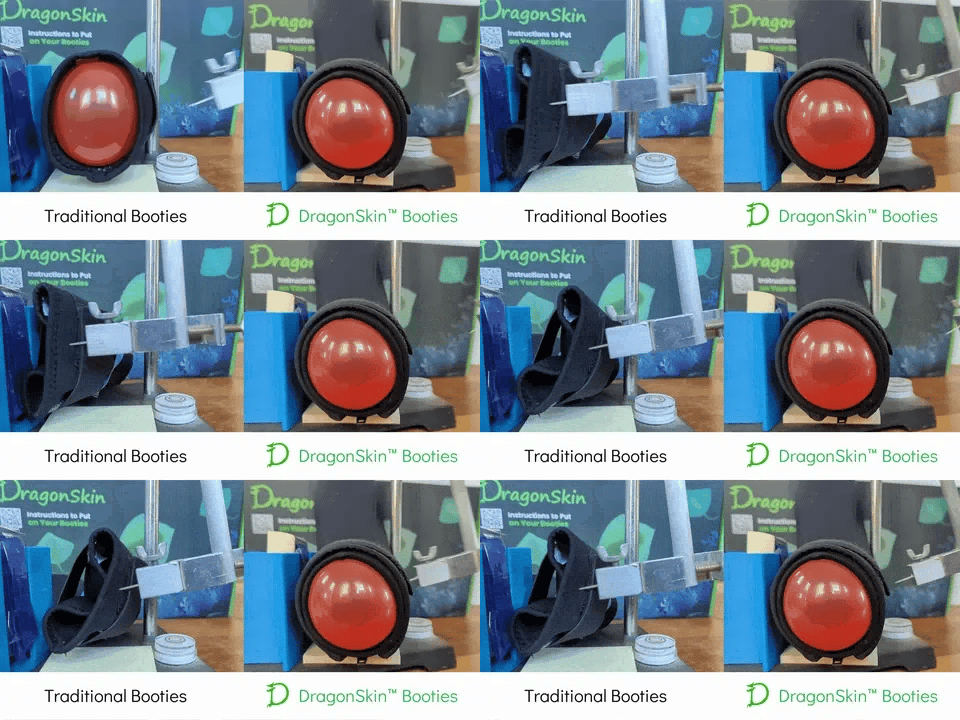
1
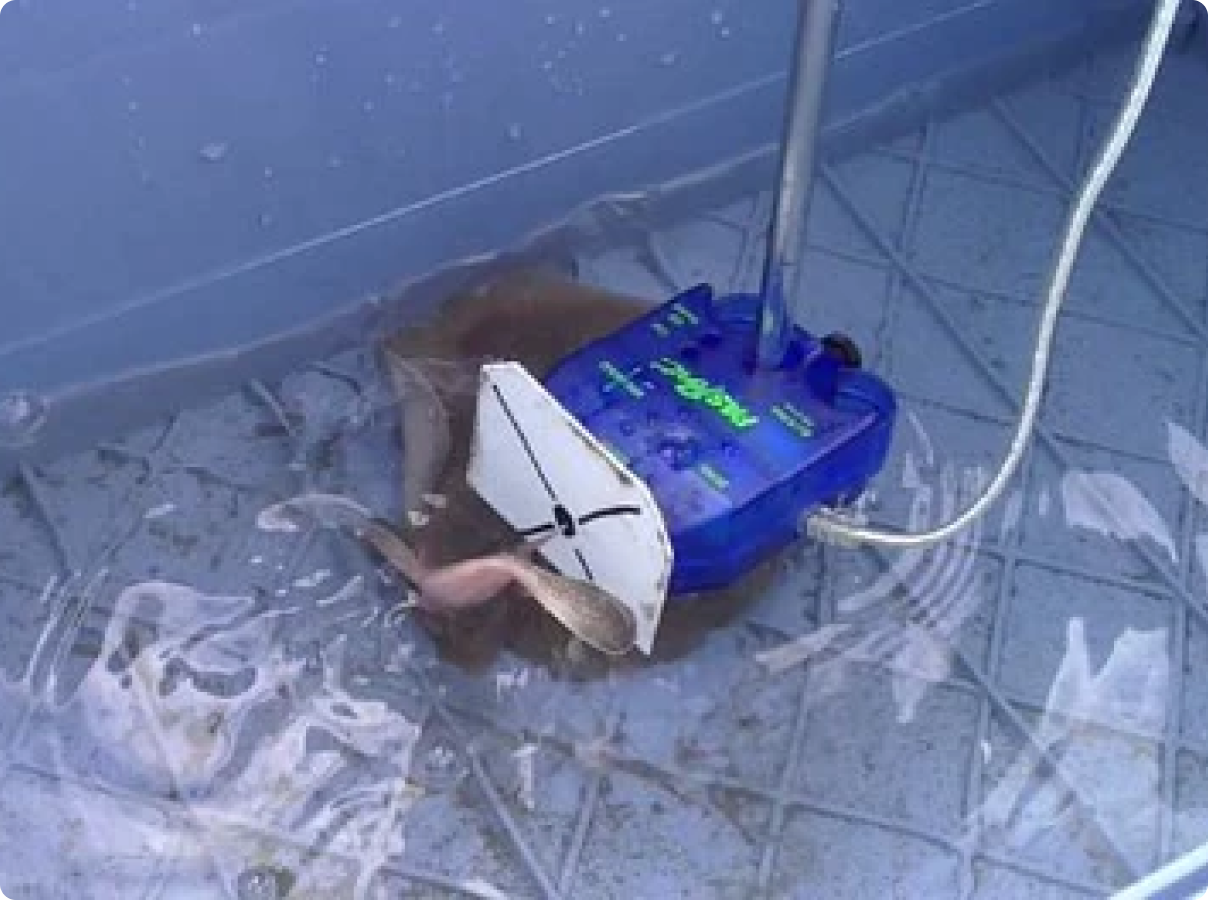
Stingray Force Measurement
We first measured the strike force of round stingrays and studied their barb characteristics
2
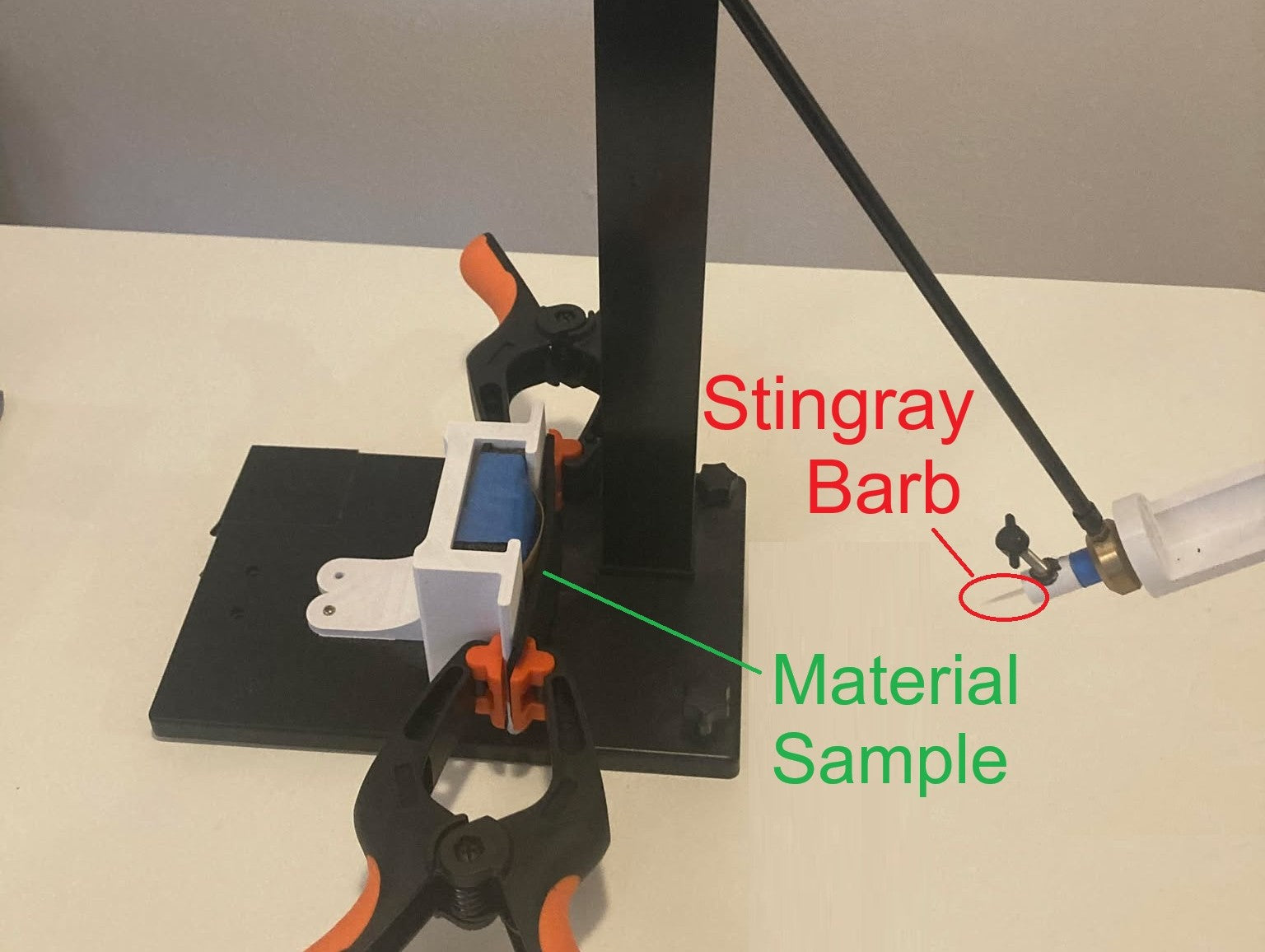
Stingray-Sting Pendulum
We then created a stingray-force pendulum & used it to test hundreds of materials.
3
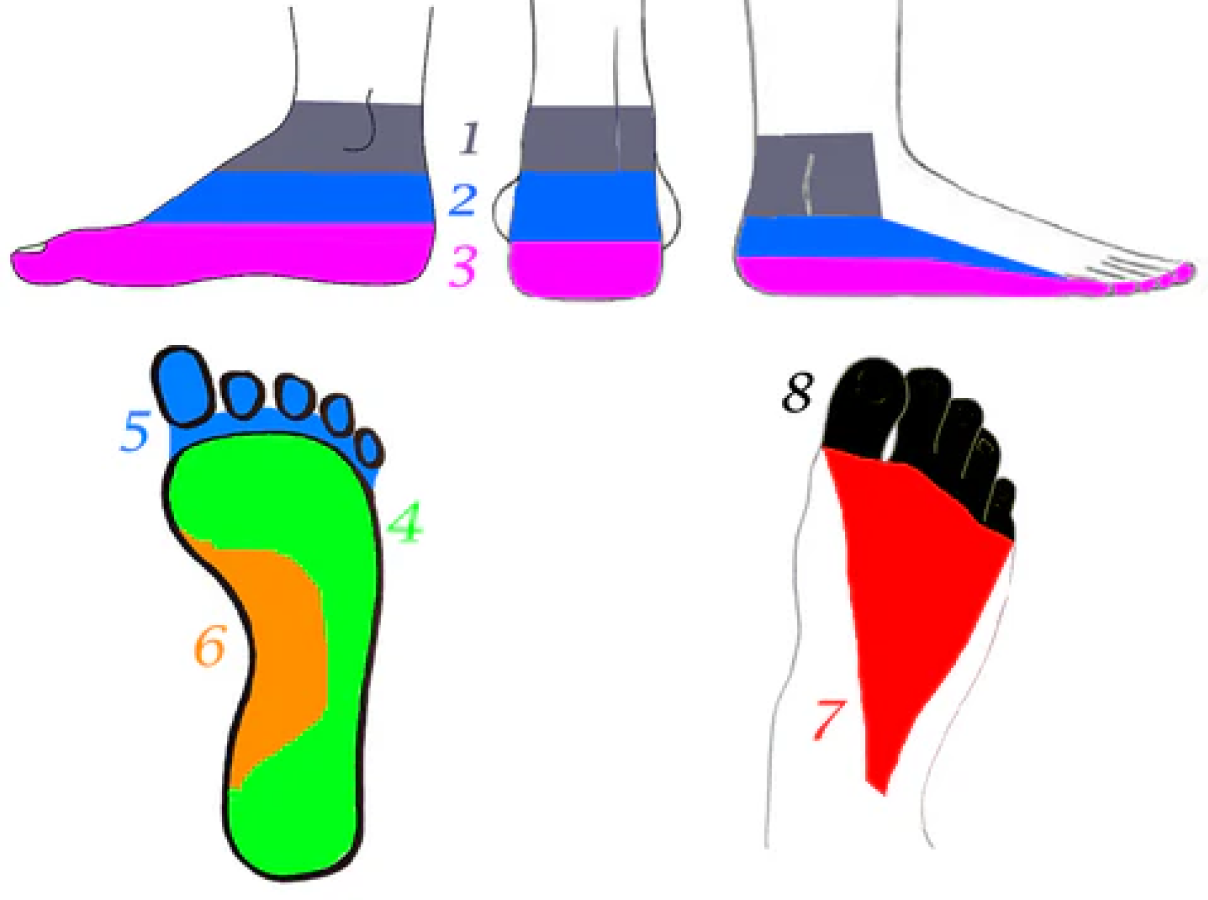
Sting Location Survey
Next, we performed a survey of stingray injuries and their locations on the foot.
4
% Coverage Calculations
We used image analysis to determine the % coverage of our booties with stingray-resistant material
5
Validation Testing
Finally, we tested our booties against live round stingrays with a fake foot prosthesis!
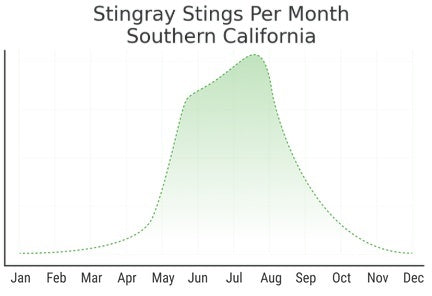
Summer is Stingray Season
Being stung is extremely common in SoCal, with an estimated 10,000+ stingray stings every summer. Being stung is excruciatingly painful and can cause permanent damage.
Summer is Stingray Season
Our Story
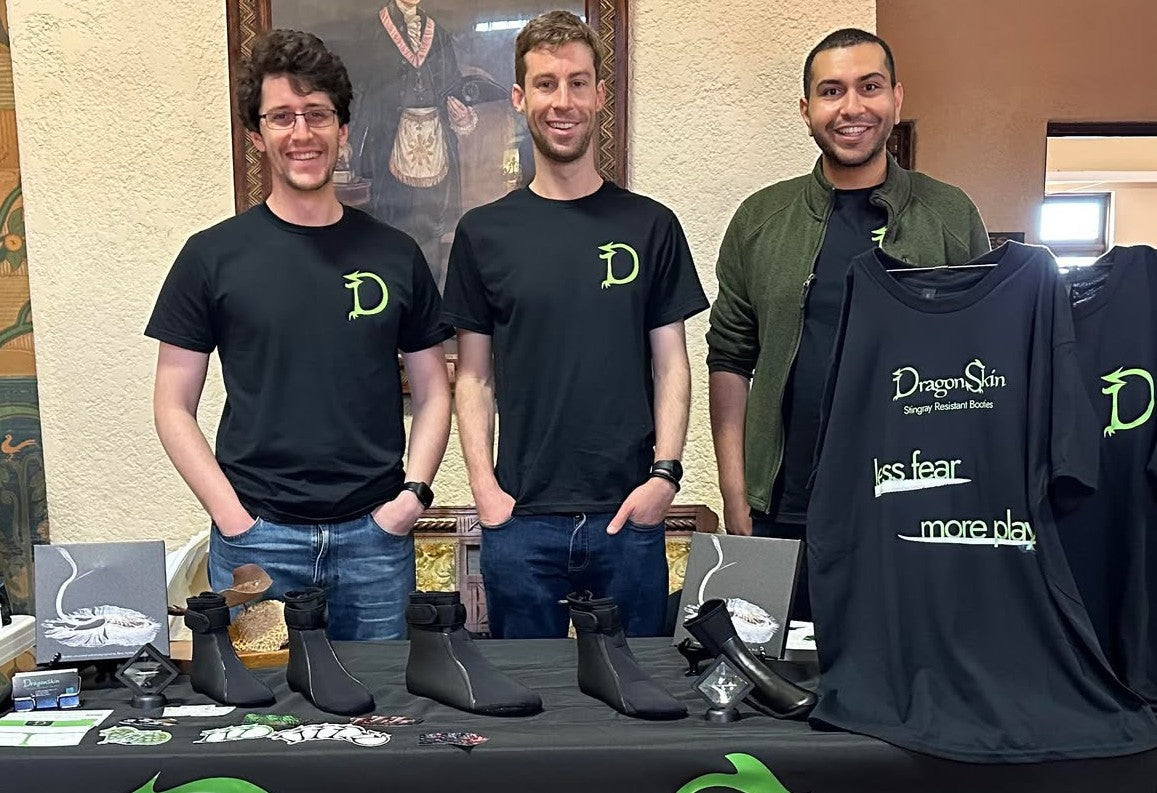
As SoCal surfers and beach lovers, we couldn’t find gear that protected against stingray stings—so we built it ourselves.
Our Story
Frequently Asked Questions
Do they run true to size?


Our booties generally run true to size. If you prefer a slightly looser fit, you can go one size up or one size down instead.
They’re made from neoprene material, which will naturally stretch and expand a bit once you start using them in the water.
Shouldn’t the booties be taller? What about getting stung on the shin?
We have an ongoing survey of stingray injuries on our website. Based on our data so far, about 98% of stingray stings occur at the ankle or below.
However, so far, most of our responses come from Southern California, where the round stingray is the most common species.
In other regions where larger species exist (such as the southern stingray in Florida), stings higher on the leg may be more common, but we don’t currently have enough data to confirm this. If you fill out the survey, you’ll improve our knowledge here!
Do they protect against sea urchins?
The booties are designed specifically for puncture resistance against stingray barbs, and we haven’t yet tested them against sea urchins. We’re working on it, though! If you’re interested in sea-urchin protection, please let us know at kristel@mydragonskin.com
If you frequently surf or swim in urchin-heavy areas, here’s our best advice for now. While urchin spines are sharp like stingray barbs, our impression is that people usually step directly onto urchins, which likely creates much higher force than a stingray sting - especially on the sole. You’d probably be better off with thick-soled dive or reef boots (or even steel-toed boots, if you want max protection).Take all this with a grain of salt though, because we are not (yet!) experts on Sea Urchins.
Do they protect against stonefish?
Our booties were designed and tested for stingray barb puncture resistance, and we haven’t yet tested them against stonefish. Because of that, we wouldn’t recommend relying on them for stonefish protection. We’re working on it, though! If you’re interested in stonefish protection, please let us know at kristel@mydragonskin.com
What types of stingrays do the booties protect against?
Our booties were specifically designed and tested against Round Stingrays, which are responsible for >95% of stingray injuries in Southern California. However, there are over 200 species of stingrays worldwide, and they vary quite a bit in terms of size, strength, etc. While we would expect our booties to protect against other stingrays much better than nothing, we don’t yet have a precise estimate of how much they protect against other species. If you’re curious about your particular case, reach out to kristel@mydragonskin.com with your location and a description of the stingrays you have in your area.
Do you Offer Children's Sizes?
We offer Youth Sizes from 1.5-6.5Y. We currently don't offer sizes below that, but we're working on it! If you're interested in smaller sizes, let us know at kristel@mydragonskin.com
Will they fit under fins?
In total, the booties are about 9-10mm (~.35 inches) thick. The neoprene in the booties also does compress when worn with a fin. Because of this additional space, you likely will need to size up the fins to fit them over. The best way to ensure they fit is to go to a shop and try them on.
Can I Use the Booties for Fishing?
Yes! You can use the booties to fish. The rubberized sole should enable you to fish from rocky outcrops, sandy bottomed area, and more!
Are the booties made of Kevlar? Why didn’t you use Kevlar?
Contrary to popular belief, Kevlar actually isn’t very puncture-resistant! It is primarily designed for cut and impact resistance, which is mechanically quite different than puncture resistance. The sharp tip of stingray barb easily parts and passes through Kevlar fibers.
Instead, we use a specialized thermoplastic material selected for its combination of puncture resistance and flexibility. You can learn more about our design process and testing methods here: https://mydragonskin.com/pages/testing-methods. If you have any other questions, ask away! We're happy to answer.
